Cortez is running out of money and out of ideas
The city listed the old Empire Electric building for sale nine months after closing on it, and residents learned of it only because one of them asked. The outdoor pool is funded for one more summer.
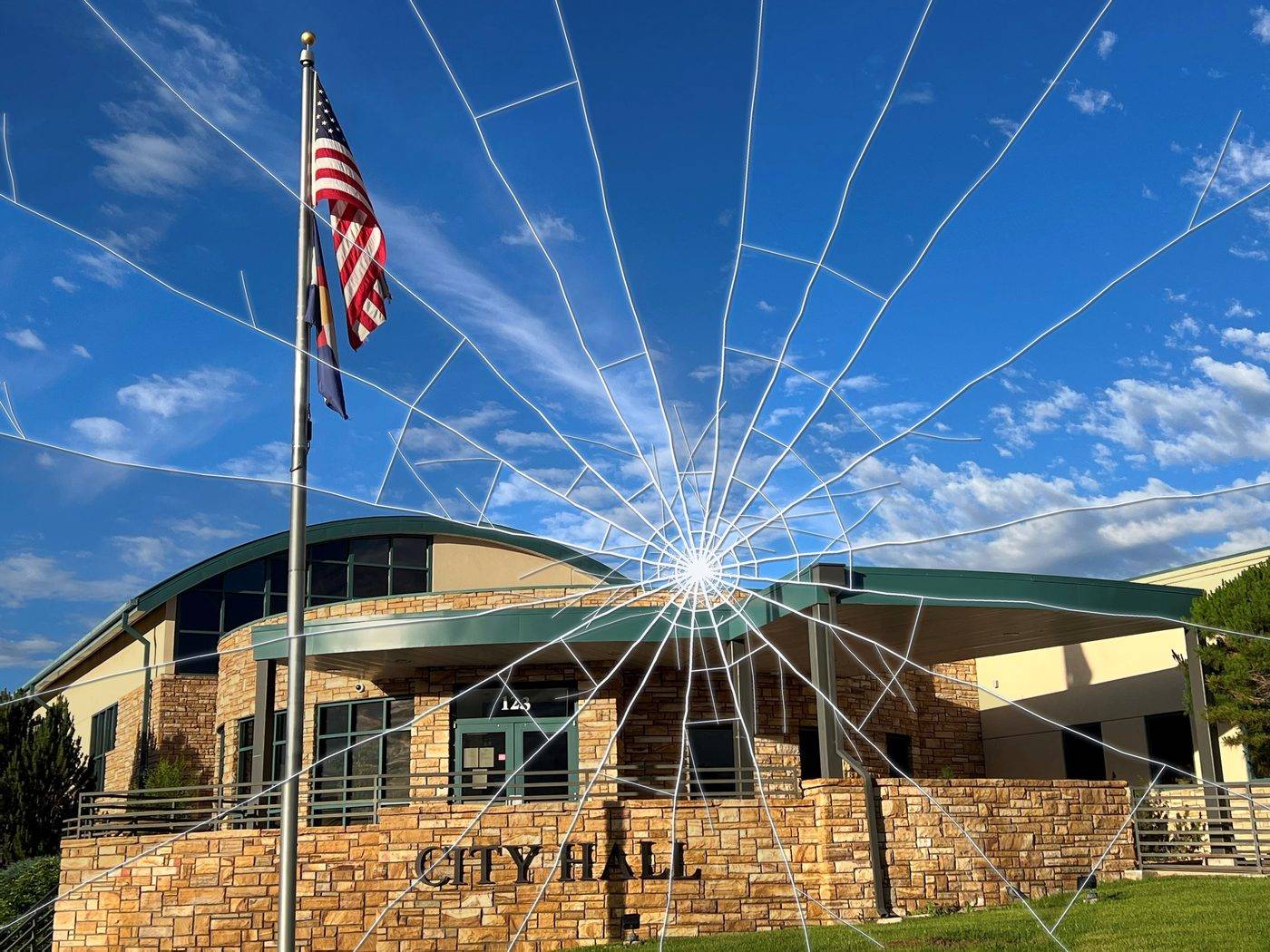
The City of Cortez put the old Empire Electric building at 801 N. Broadway up for sale Tuesday for $1.6 million. It closed on that building in February. It paid $1.4 million.
Residents found out by accident. During Tuesday night’s budget hearing, a woman at the microphone asked whether the city could sell the building to help pay for the pool and the softball fields. City Manager Drew Sanders answered that the listing had gone live on the MLS that same day.
The sale was not on the agenda. No council member had mentioned it. A few minutes later the council passed a $39.1 million budget, 7-0, that keeps the outdoor pool open for one more summer and promises nothing after that.
That is how this city is being run. Big decisions get made out of sight, the bill arrives later, and the things families use are the first things on the block.
One more summer
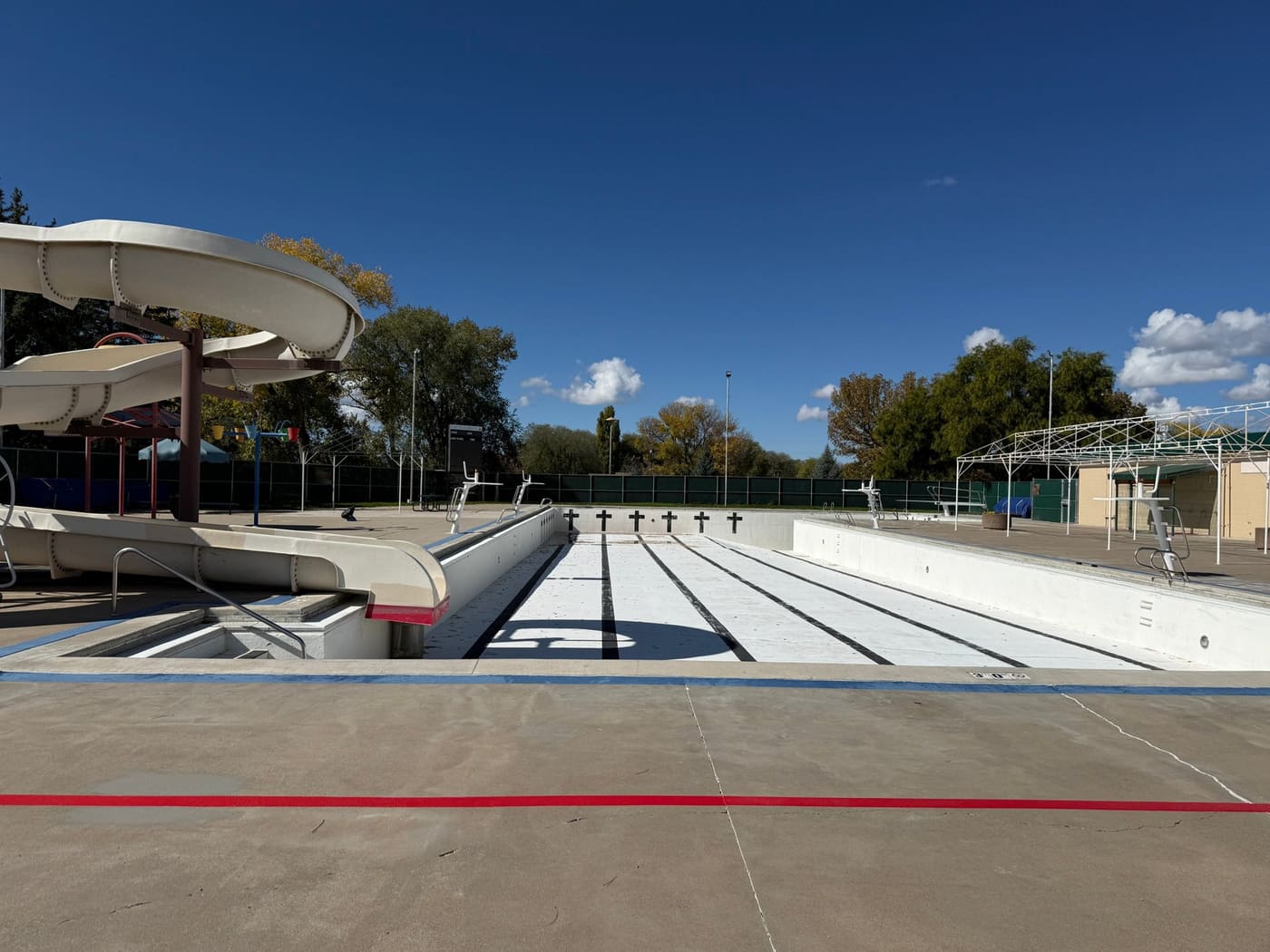 Photo: Cortez Current. The empty outdoor pool and water slide at 803 E. Montezuma Ave.
On Oct. 20 the city announced it would not open the outdoor pool in 2027. Two days and more than 1,600 petition signatures later, it reversed itself.
The official reason was not the petition. It was a $700,000 Great Outdoors Colorado grant from 2010 that commits the city to run the pool for 25 years or the project’s useful life. The city said the agreement was not in its files. A city that loses track of a $700,000 promise does not have its house in order.
The math has not changed. The pool costs about $477,000 a year to run and brings in about $86,000. It leaks hundreds of thousands of gallons a season. The city puts a real fix at about $1.5 million.
Sanders told the council Tuesday that 2027 is a one-year solution, not a permanent one. Hours will be cut. A roof repair on another city building was put off to pay for it. He said fees cannot close the gap and that grants like the one in 2010 no longer exist.
Nobody has said where the money for 2028 comes from. One resident told the council she keeps hearing talk about whether the pool’s useful life could be declared over sooner rather than later. That phrase is the exit in the grant agreement, and people have noticed. Unless something changes, 2027 looks like the pool’s last summer.
Who showed up
Eight people went to the microphone before the budget even came up. At least five were children or teenagers. Seven talked about the pool.
A 7-year-old said she learned to swim there at 3 and has since qualified for the state meet. An 11-year-old called it the best thing about our town. Sarah Brock, who coaches nearly 100 kids on the Cortez Water Dragons, asked the council to treat the pool as a long-term asset worth keeping.
A 15-year-old took on the city manager’s point that a city has four core services it must provide: water, roads, public safety and sanitation. The teenager asked whether parents who give a child only food, shelter and safety are good parents, or parents doing the bare minimum. A Dolores mother who described herself as a Cortez taxpayer pointed out that nobody expects parks, libraries or trails to turn a profit.
A 12-year-old softball player asked for lights at the softball complex. Another speaker said the lights and electrical system there have been taken out. The pool is the part of this people can see. It is not the whole thing.
The answer from the dais
The council’s response to those eight speakers was a reminder from the mayor that the pool will be open next year, and congratulations for the swim team.
Mayor Dennis Spruell later explained why. The council does not interact with speakers, he said, because “we don’t want to get into a debate.”
In fairness, Tuesday was better than most nights. Once the budget hearing opened, residents asked questions and Sanders answered them. The mayor called it one of the better meetings the council has had. He is right. The trouble is that it was the exception.
The city says it wants to hear from people. Sanders said the online budget page drew almost no comments this year. Then a single mother stood up and pointed out that the parks master plan meeting was held at 1 p.m. on a weekday. The council’s all-day budget workshop was on a Friday. People with jobs cannot be in the room, and then they are told nobody came.
Bought in February, for sale in November
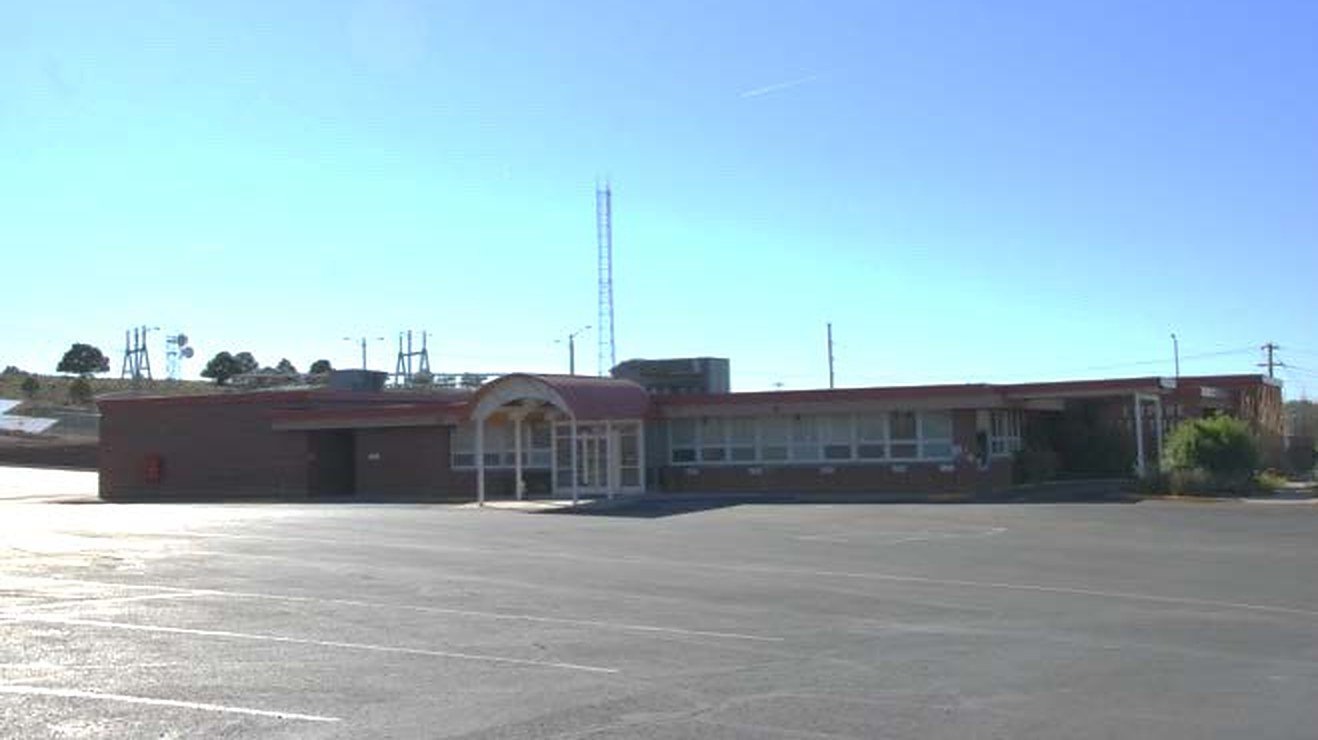 Photo: City of Cortez. The former Empire Electric building at 801 N. Broadway, in a photo from the city’s 2022 Historic Resources Survey Plan.
The council approved the contract to buy the Empire Electric building in July 2025, after touring it. The price was $1.4 million, money the city said it had in its unrestricted fund balance. The reason given was that the city had run out of office space, and one plan was to move the police department there. Council members praised the deal as far cheaper than building new.
The spending did not stop at the purchase price. In January, a month before closing, the council voted 7-0 to pay a Durango architecture firm $48,270 to assess the building for use as city offices or as a police station. The city’s own request for that work said the building would likely need a new roof, heating and cooling upgrades and electrical changes.
The council passed the final resolution on Feb. 10, 5-0, two days before closing. Nine months later the building is on the market for $1.6 million.
Sanders said Tuesday that buying it took about three years, that the numbers worked when the city signed, and that everything has changed in the past year. He said the city is getting its capital back out.
Maybe it will. The Journal reported the building had been appraised at $2.3 million, so the city could even come out ahead. I hope it does.
But a city that spends three years deciding it has outgrown its offices, and nine months deciding it has not, has a planning problem. Either the need was never real or the city can no longer afford its own plans. And while $1.4 million sat in that building, the city was telling families it could not find $391,000 for the pool.
The public should not learn about a seven-figure reversal because a resident happened to ask.
The tax nobody lowered
This is not the first time. In 2018, Cortez voters agreed to keep the recreation center sales tax but cut it from 0.55% to 0.35% starting in 2022.
The city never passed the ordinance to lower it. For four years it kept collecting the old rate. By the city’s own count that came to about $2.8 million more than voters approved. Sanders caught it in 2025 while looking into whether rec center tax money could pay for other parks needs.
The city says there was no fraud and that the money stayed in the rec center fund. Its lawyers said the money had to be refunded and could not legally go to parks. The refund is a citywide sales tax holiday that runs from Oct. 18 through Dec. 31.
So in the same months the city says it cannot afford a swimming pool, it is collecting no city sales tax at all. I spoke against the holiday when the council approved it. The larger point is that it took four years for anyone at City Hall to notice.
The park on Seventh Street
The city bought the old high school site on West Seventh Street from the school district in 2018. The point was a park for the south side of town, which the city itself calls underserved for parks. A state grant helped pay for the land.
A park plan followed. By the city’s own account, the price of building it was unrealistic, and the project stalled.
Now the site has a different future: Park Village on 7th, a 70-unit income-restricted apartment project from developer Evergreen Real Estate Group. The park shrank from 10.7 acres to 7. The parks director told The Journal this year that the city has no money set aside for it and no timeline.
Cortez needs housing. I am not arguing otherwise. But the south side was promised a park eight years ago. Today the housing has a developer, a name and a construction schedule. The park has none of those.
On Tuesday a softball organizer described the Seventh Street land as unused and not kept up. He suggested the city sell or donate properties like it to a nonprofit that would take care of them. When residents start offering to take public land off the city’s hands, the city has stopped leading.
Sell the golf course
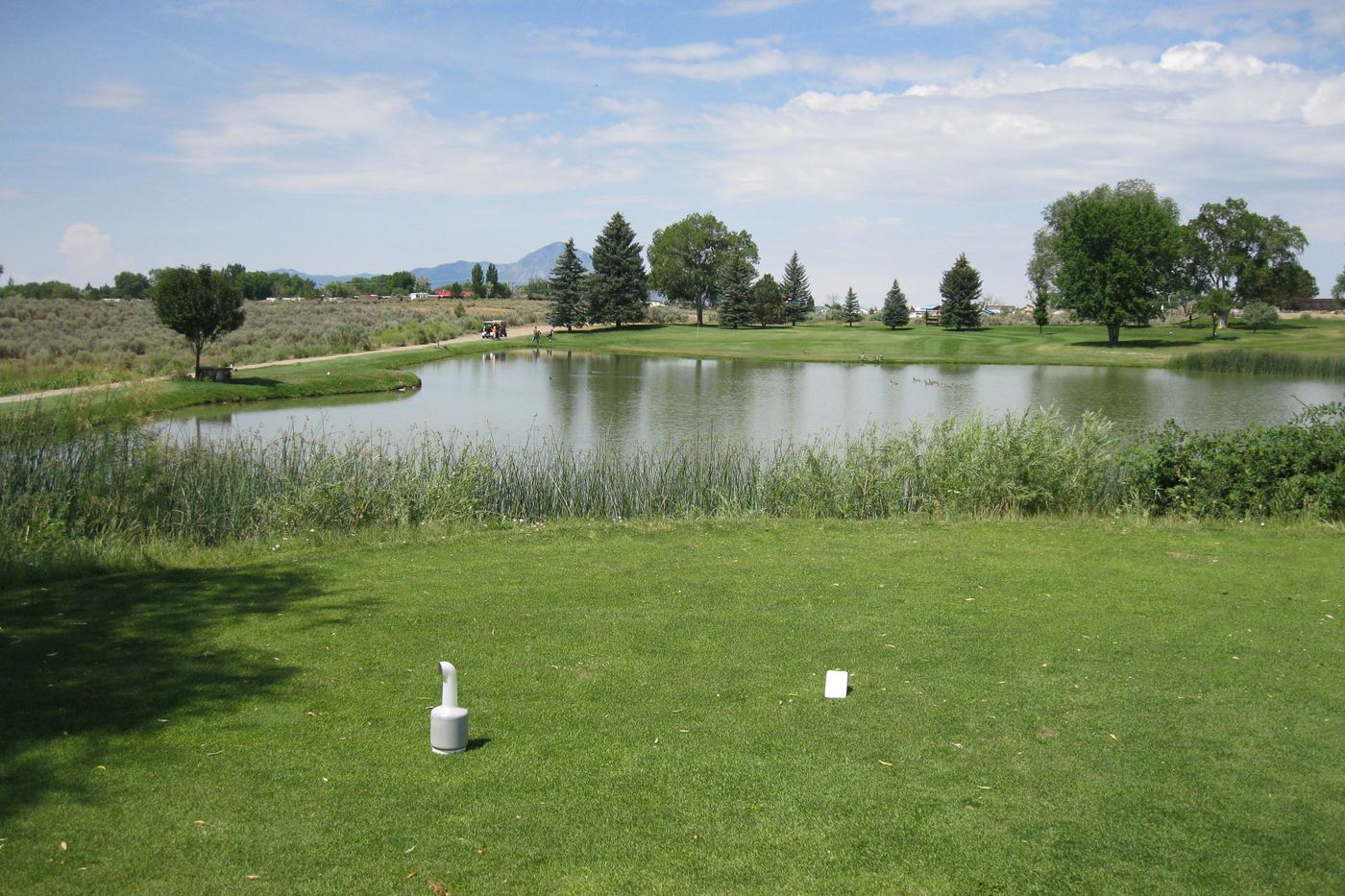 Photo: City of Cortez. The city-owned Conquistador Golf Course, 2018 N. Dolores Road, in a photo from the city’s website.
Sanders told the council that if the pool stays open, something else has to be cut. He added that everyone loves the parks system, the golf course included.
Fine. Let’s talk about the golf course.
The city’s 2027 budget puts $854,927 into the golf course. That is 5.2% of the general fund. The outdoor pool gets $320,468, or 1.9%. Golfers pay most of that back: this year’s budget counted on about $690,000 in green fees, passes and cart rentals against about $778,000 in costs. So golf comes closer to paying for itself than the pool does, and the yearly savings from closing it would not cover the pool by themselves.
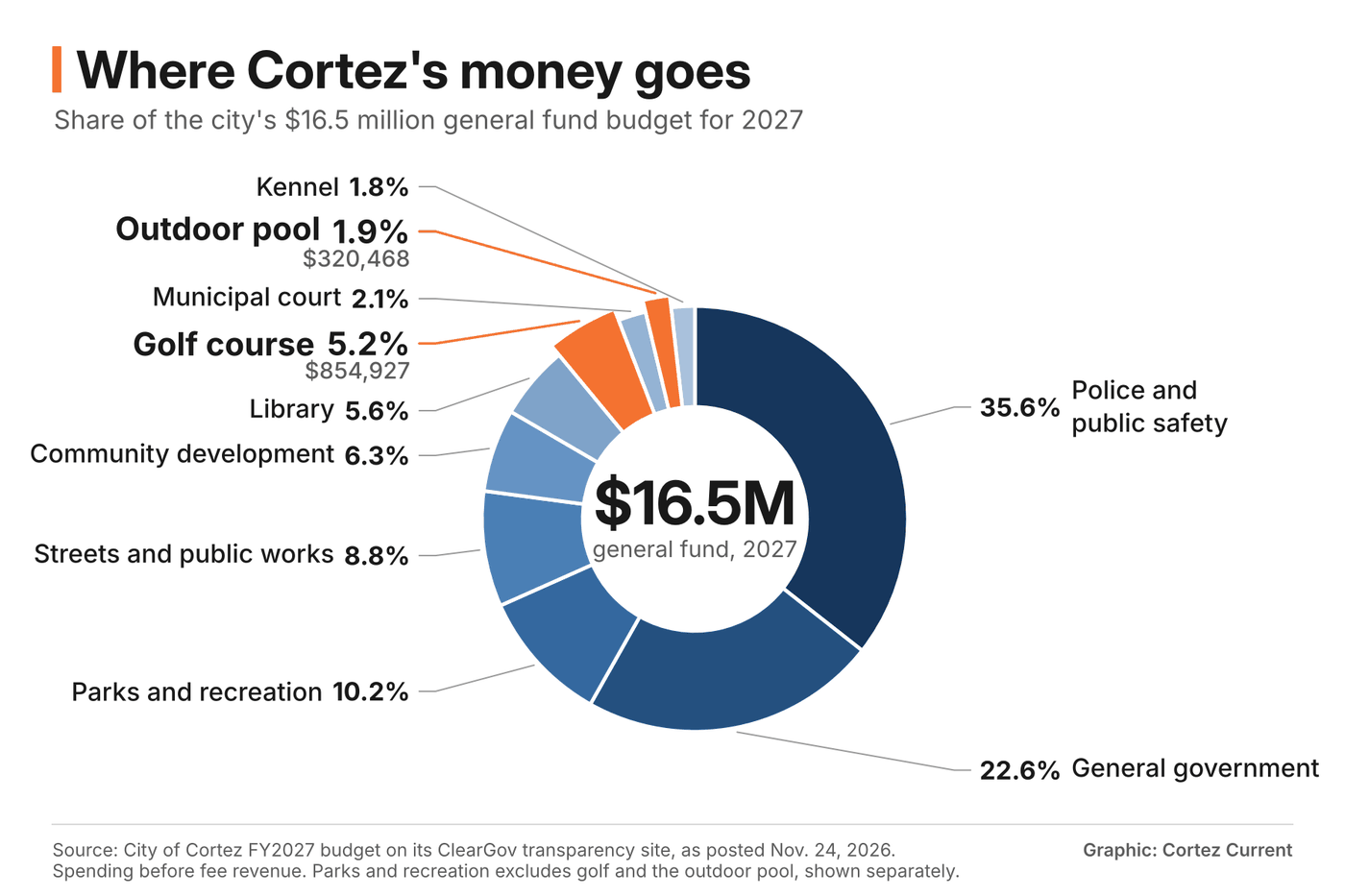 Graphic: Cortez Current. The city’s 2027 general fund by department, from the budget posted on its ClearGov site. Shares are spending before fee revenue.
But a budget is a statement of priorities. The pool is where a 3-year-old learns not to drown. The softball complex is where a 12-year-old told the council she would play around the clock if it had lights. The city has no business running a golf course while it cuts either one.
We cannot afford it, and I see no reason for the city to operate a golf course at all. Close it and sell the land.
Eighteen holes is a lot of ground on the northeast side of town. Sold, it could bring the city a one-time windfall and put that land on the tax rolls. The pool needs about $1.5 million in repairs, and that is the kind of bill a land sale can pay.
If the city wants room for housing, it would not have to shrink a south-side park to find it. And if selling city park land takes a vote of the people, put it on the ballot and let Cortez decide. I would rather see the money go to softball and aquatics.
A payroll built for a bigger town
The general fund loses about $539,000 in revenue next year, mostly state-shared money. Sanders said that loss alone is more than the pool costs. To balance, the city is taking $1.78 million out of general fund reserves, which he called unsustainable.
At the same time, the city’s own budget book says labor costs rise by about $700,000 next year because of pay adjustments and other workforce costs. Departments cut about $200,000 elsewhere to absorb part of it.
The median household in Cortez earns $54,247, by the city’s own figures. In April the council set the city manager’s salary at $191,776 and the city attorney’s at $174,342. The manager’s pay is about three and a half times what the typical Cortez household lives on. Last year the city advertised its finance director job at $120,000 to $160,000.
I went looking for proof that Cortez pays more than its neighbors. The public record does not show that. Durango hired its city manager at $210,000 in 2020. Montrose has advertised a finance director job starting at $133,767.
What the record shows is Cortez paying close to what Durango and Montrose pay. Each of those cities has more than twice our population. We are a town of about 9,000 people. We cannot carry a payroll built for a town of 20,000 and keep a pool too.
Sanders said the city is already in something like a hiring freeze. In October the city said cuts to staff pay were possible. A freeze is not enough. The council should cut positions and pay at the top of the organization before it cuts one more hour at the pool.
Study it, then study it again
On Tuesday the council adopted a stormwater master plan. Work on it began in 2025. A first version was finished that August and a revised one in March. It was adopted in November. Staff hopes the fee to pay for its $12.4 million in projects will start in 2028.
That is about three years from study to a bill, for storm drains.
When residents asked what could keep the pool open, the answer was the parks and recreation master plan. When an officer of the softball association asked about a parks tax, the answer was the master plan again. The mayor added that anything with the word tax on the ballot would lose.
The budget also points to updates of the transportation, water and comprehensive plans, plus a housing needs assessment and a housing master plan. In October the council awarded a $44,050 contract for the comprehensive plan. And in January it bought that $48,270 assessment of a building it is now trying to sell.
A plan is not a decision. The Seventh Street park had a plan in 2018. It still has no park. Choices that should take months are taking years, and the cost of everything goes up while we wait.
A council that never says no
I checked the roll calls from three regular meetings this year: Jan. 27, Feb. 10 and Tuesday. That is 28 votes. I did not find a single no.
Mayor Pro Tem Bill Lewis said Tuesday that this was the hardest of the three budgets he has worked on. It drains reserves, cuts pool hours and puts off a roof. It passed unanimously on both readings. No member offered an amendment Tuesday night.
Seven people agreeing on a liquor license means nothing. Seven people agreeing on every line of the hardest budget in years means either they see everything the same way, or nobody wants to be the one who asks the hard question in public. Neither is what we elected them for.
Build something special
Cutting is only half of this. Cortez also has to give people a reason to come here and a reason to stay.
Durango has a river, a college and a train. We have none of those. We have no anchor in town. Mesa Verde is 10 miles up the road, and too many of its visitors drive straight through.
A town in that position has to build something special on purpose. That takes a council with a vision and the nerve to pick one thing and finish it. What we have instead is a city selling a building it just bought, shrinking a park it never built, and counting down the summers left at a pool three generations have used. A town does not become a place worth visiting by closing the places its own kids love.
What leadership would look like
The City of Cortez needs leadership with a vision for the future, rather than a bunch of yes-men, endless government studies and no action. Here is where I would start.
- Decide the pool’s future in public, with numbers, by spring. Families should not have to wait for next October’s budget to learn whether 2027 is the last summer.
- Tell us about property deals before a resident has to ask. Say what 801 N. Broadway cost to buy and hold, what it is listed for, and where the money goes when it sells.
- Get the city out of the golf business. Sell the land and put the money into the pool and the ball fields.
- Cut at the top first. Trim administrative positions and pay before another hour comes off the pool schedule.
- Hold budget and master plan meetings when working people can come. The mayor offered a Saturday. Take him up on it.
- Answer people when they speak. Tuesday showed the council can do it.
The mayor closed the meeting by saying it was nice to have an audience for once. So keep showing up. The council meets again at 7:30 p.m. Dec. 8 at City Hall.
Charles P. Borchini Jr. is the publisher of the Cortez Current. He ran for Cortez City Council in April 2026 and served on the city’s Planning and Zoning Commission from November 2025 to September 2026. He spoke against the sales tax holiday at a council meeting in February.