Mancos posts a guide to flood recovery loans and grants
A six-page guide the Town of Mancos posted Monday lists loans for businesses, help for households and farms, and federal and state programs for local governments. The Army Corps of Engineers is also holding weekly webinars on when flood work needs a federal permit.
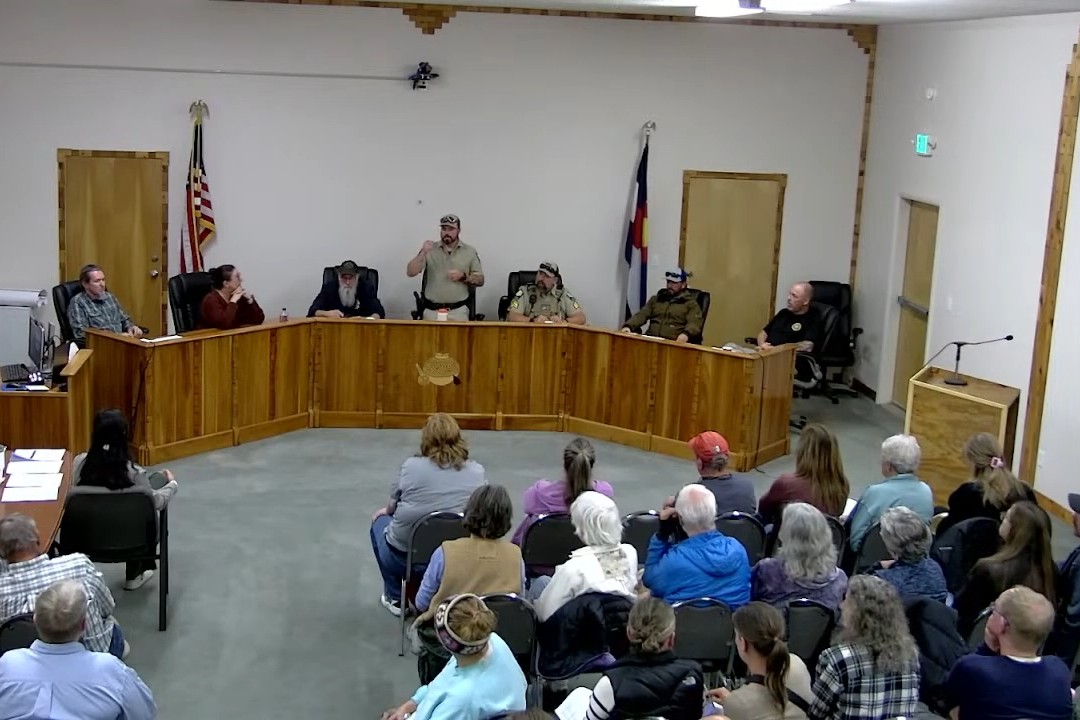
The Town of Mancos posted a guide to flood recovery money and help on Monday, a six-page list of local, state and federal programs for businesses, households, farmers and local governments still dealing with the flooding of late October and early November.
The town’s notice says the November 2026 Flood Recovery Resource Guide covers “grants, loans, financial assistance, infrastructure recovery programs, and technical resources,” with eligibility, deadlines and contacts. It asks residents, businesses and organizations to read through it, to document their flood damage and expenses, and to check with the agency that runs each program before applying. The guide itself, titled “Grants Digest: Southwest Colorado Flood Recovery Resources,” does not say who compiled it.
The town posted it alongside three other notices on Monday: the Army Corps of Engineers webinars below, a pointer to the county’s online damage-reporting portal, and the reopening of the town’s water dock.
For businesses
The first entry is the Region 9 Economic Development District’s Business Disruption Loan Program, which the guide says is open to businesses in Archuleta, Dolores and Montezuma counties, with a possible expansion to San Juan County. Loans run from $1,000 to $10,000 for payroll, rent, utilities and other operating costs. According to the guide, they carry no interest for the first six months, interest only at 1% for months seven through 12, and a fixed rate at prime after that, with 24 to 48 months to repay; a personal guarantee and a blanket lien on business assets are required. The guide names Jenny Stollar and Ricardo Arrieta at Region 9 as the contacts, at (970) 247-9621.
A Region 9 official had described the program to Montezuma County commissioners on November 10.
For households
- Team Up Southwest Colorado connects flood-hit households with 211 Colorado for housing, supplies, rental help, food, child care and other needs, and coordinates volunteers. The guide says to call 2-1-1 or (866) 760-6489, or text a ZIP code to 898-211.
- USDA Rural Development’s Section 504 program offers home repair loans to very-low-income homeowners and grants to very-low-income homeowners 62 and older for health and safety repairs. The guide notes it is an ongoing rural housing program, not a flood grant.
- The Community Foundation Serving Southwest Colorado has activated its Community Emergency Relief Fund. The guide says community organizations responding to flood needs should contact the foundation about grants.
- The guide also lists flood relief from the Women’s Resource Center of Durango, but describes it as serving people in La Plata County.
For farms and ranches
The Emergency Conservation Program, run by the USDA Farm Service Agency, shares the cost of restoring farmland damaged by flooding: removing debris, rebuilding permanent fences, regrading fields and repairing conservation structures and water systems. The guide says it generally covers up to 75% of eligible costs, or up to 90% for qualifying beginning, limited-resource, socially disadvantaged and veteran farmers and ranchers, and that no federal disaster declaration is needed. Sign-up runs during periods set by local Farm Service Agency offices, so the guide says producers should contact their local USDA Service Center before starting work.
For local governments and water providers
Most of the guide covers programs that towns, the county, conservation districts and water systems would apply for, not individuals:
- The Emergency Watershed Protection Program (USDA Natural Resources Conservation Service): streambank stabilization, debris removal from waterways and erosion control, covering up to 75% of construction costs, or 90% in qualifying limited-resource areas. Sponsors generally must ask within 60 days of the disaster. Private land can qualify through a local sponsor; owners generally do not apply directly.
- Emergency Community Water Assistance Grants (USDA Rural Development): up to $150,000 for water distribution work and up to $1 million for water source work, for rural communities whose drinking water is threatened. Applications are taken year-round.
- The Colorado Water Conservation Board’s loan program, which the guide says offers 0% interest for the first three years on water supply recovery projects in areas under a governor’s disaster declaration, then 27 years of repayment, with faster approval.
- The Southwestern Water Conservation District, which may consider emergency requests outside its yearly deadline, and the state’s Colorado Water Plan and Water Supply Reserve Fund grants, which the guide says take six to nine months and are not emergency money.
- FEMA Public Assistance, which can reimburse emergency work, debris removal and repairs to public roads, bridges, utilities and buildings — but, the guide notes, only with a presidential disaster declaration covering the October 2026 flooding. It tells communities to keep documenting damage and costs while that is decided. Montezuma County and the Town of Mancos each declared a local disaster last week.
- The Federal Highway Administration’s Emergency Relief program for federal-aid highways, coordinated through CDOT — the program under which the Federal Highway Administration has already approved $65 million to start highway repairs in southwest Colorado — and FEMA’s Flood Mitigation Assistance, for projects that reduce future flood damage.
Army Corps webinars on flood work permits
A separate notice the town posted Monday is from the U.S. Army Corps of Engineers’ Albuquerque District, which is holding free webinars on when flood recovery work needs a permit under Section 404 of the Clean Water Act and how to get one.
The sessions run from 2 to 3 p.m. on Thursdays: November 19, December 3, December 10 and December 17. They are held on Microsoft Teams, and the Corps’ handout, linked from the town’s notice, carries the joining link, meeting ID and passcode and a call-in number. Questions go to CESPA-RD@usace.army.mil.
Last week the town passed on the Corps’ contact for Section 404 questions along the Mancos River.
Reporting damage
The town’s fourth notice points residents again to the county’s online Survivor Portal for reporting flood damage. The Current’s story on how the portal works is here. It is not an application for aid.
The guide closes with a reminder that funding, eligibility and application rules may change as recovery goes on, and that anyone planning to seek reimbursement should contact the agency before starting work or spending money.
Sources: Town of Mancos, “Flood Recovery Resource Guide,” “Section 404 Permit Informational Webinars” and “Survivor Portal Resource,” posted on mancoscolorado.com on November 16, 2026, with the attached “Grants Digest: Southwest Colorado Flood Recovery Resources” (November 2026) and U.S. Army Corps of Engineers, Albuquerque District, “Section 404 Permit Informational Webinars for Flood Recovery Work.”